What Happens to Waste After It Leaves Your Bin?
By Hannah Lepathy
Putting rubbish in a bin can make it disappear from view, but it does not make the material disappear. After collection, waste may follow different routes depending on local infrastructure, sorting practices, and material type.
Reuse and repair can come first
Products that remain useful may be repaired, refilled, shared, or donated. Keeping an item in use can delay the need for replacement and disposal.
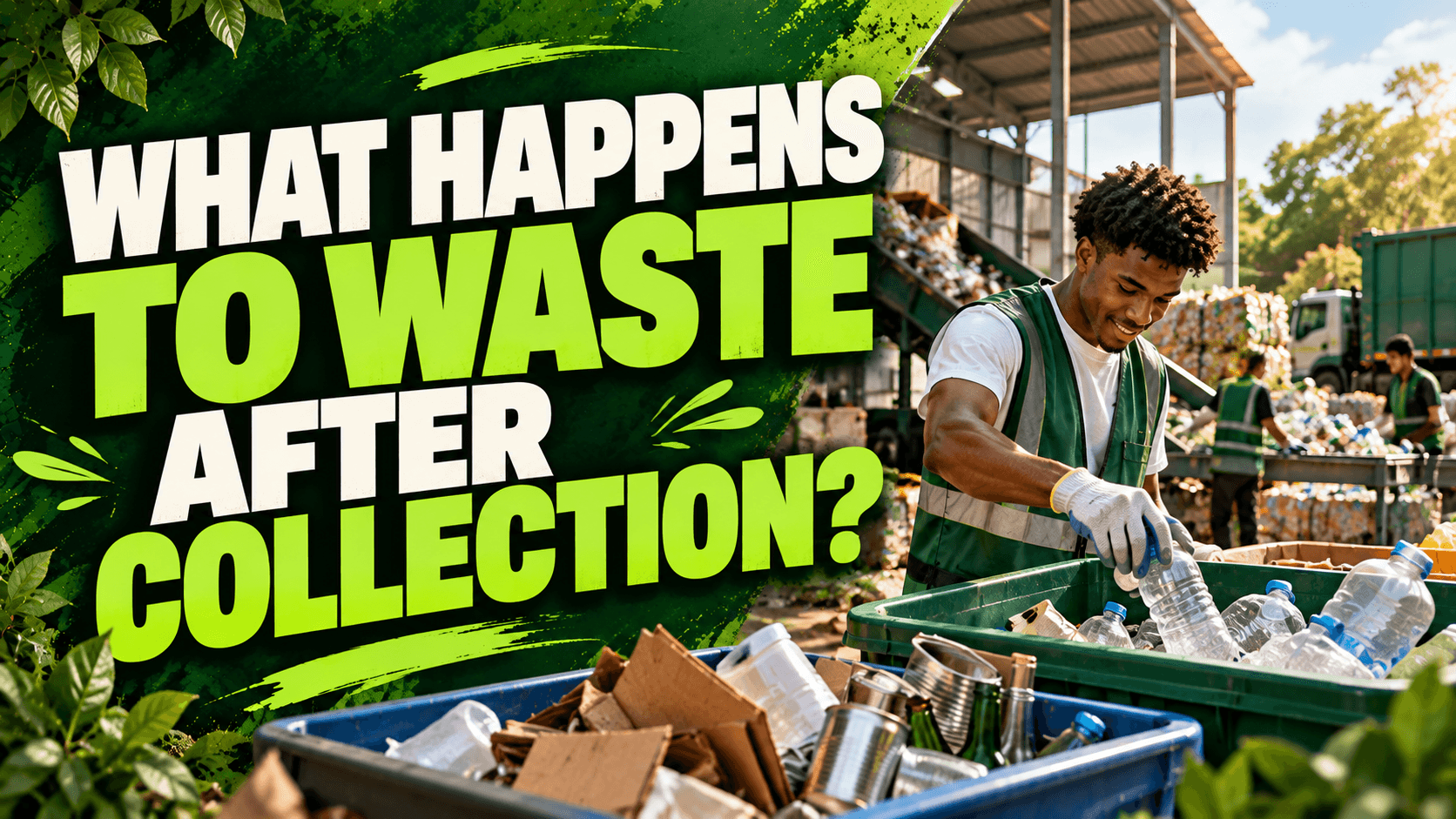
Recyclables need suitable processing
Accepted paper, metal, glass, and plastic may be sorted and sent to processors that can turn them into recovered materials. Not every item labelled recyclable is accepted everywhere, and contamination can reduce recovery.
Organic waste may be composted
Suitable food scraps and garden waste can be processed into compost where appropriate facilities or safe home systems exist. Meat, dairy, oils, and other materials may be restricted in some systems.
Residual waste needs controlled management
Material that cannot be reused, recycled, or composted may go to a permitted disposal facility or another locally used treatment route. Poorly managed waste can pollute land and water, so collection and handling matter.
What can you do?
Reduce unnecessary purchases, separate materials according to local instructions, use authorised collection points for special waste, and learn how your local service works.