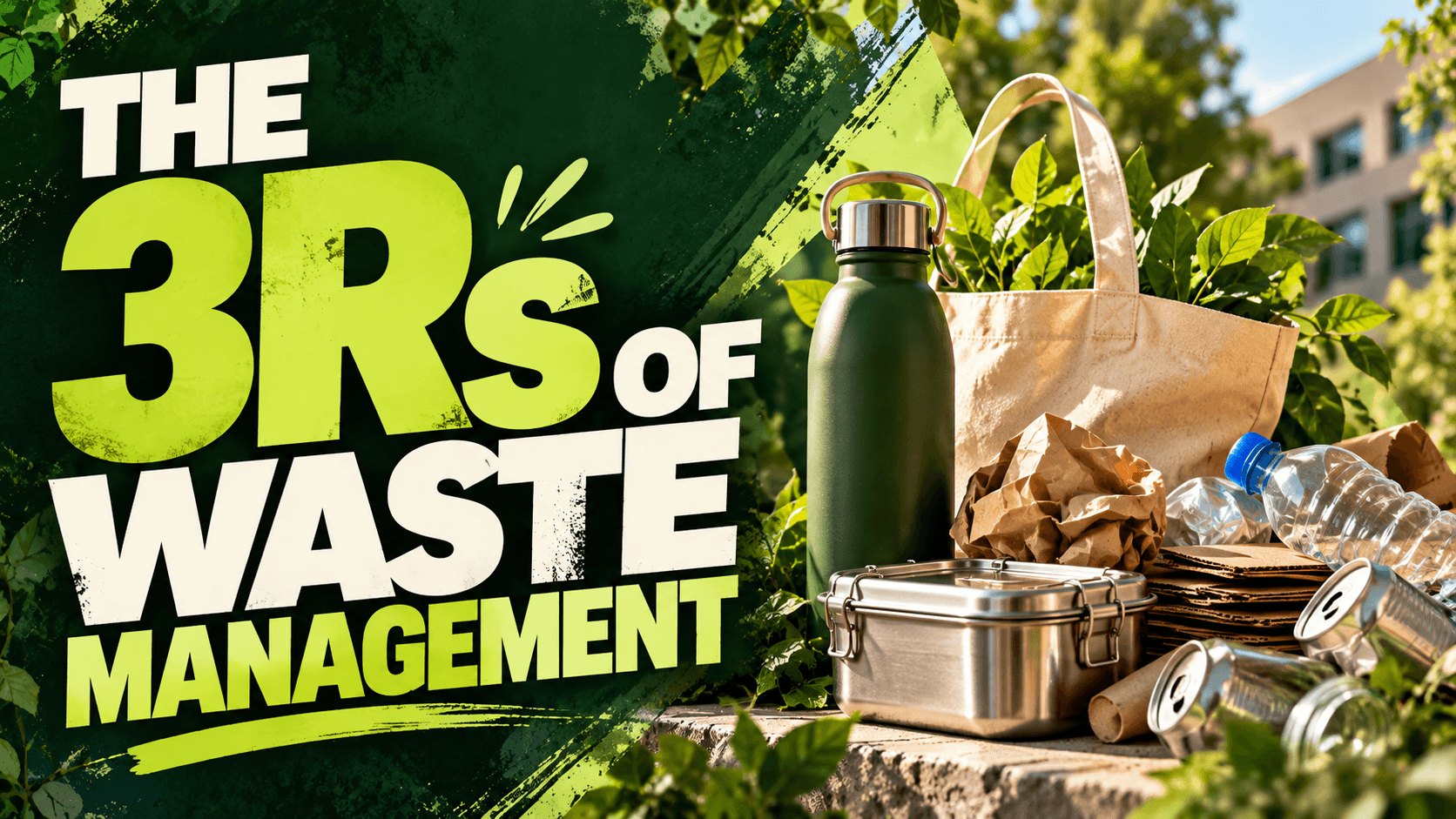
The 3Rs of Waste Management: Reduce, Reuse, Recycle
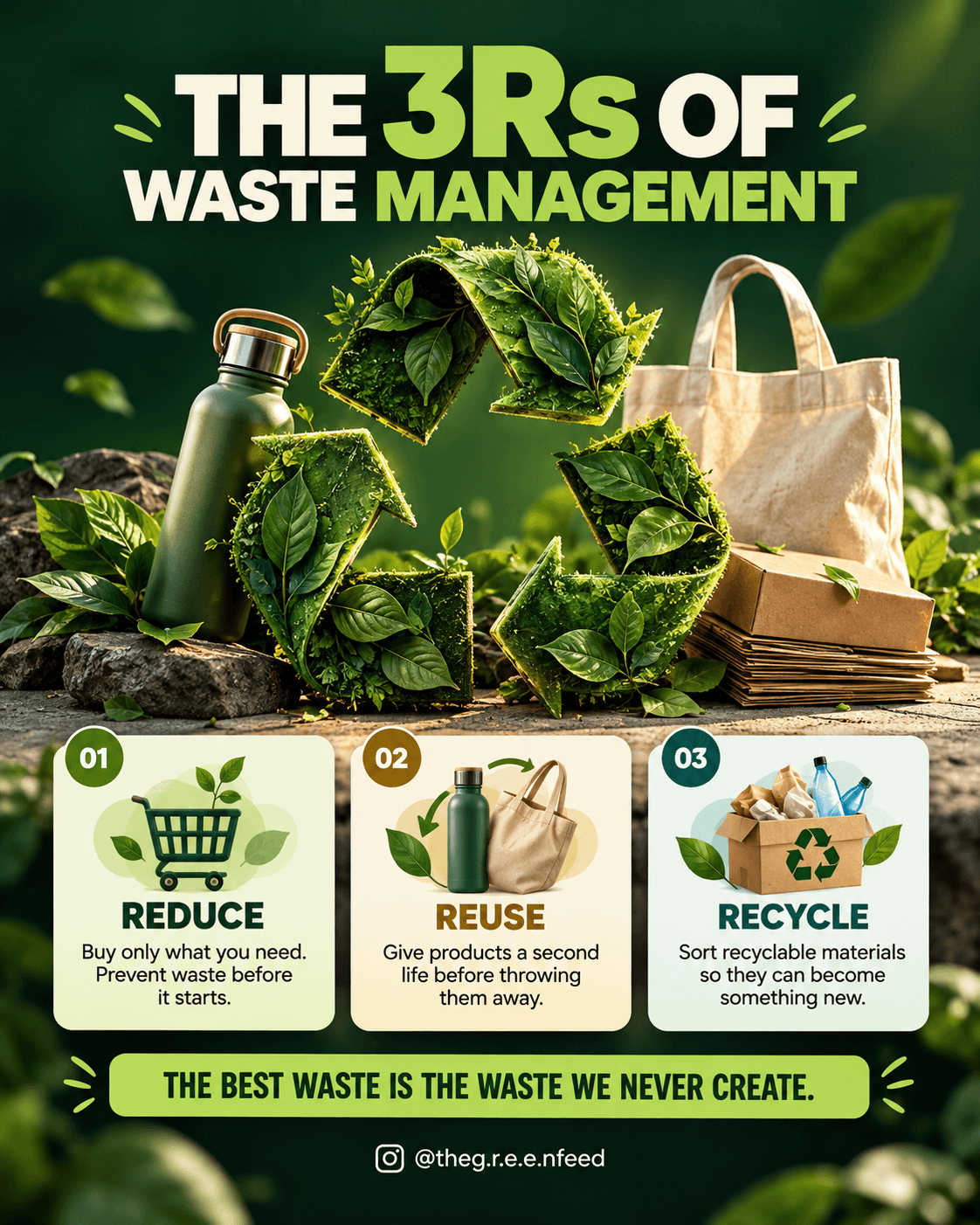
The 3Rs are a simple way to make better decisions about the things we buy and throw away.
By Hannah Lepathy
Waste management starts with everyday choices. Learn how to reduce, reuse, and recycle — and keep your campus and community cleaner.
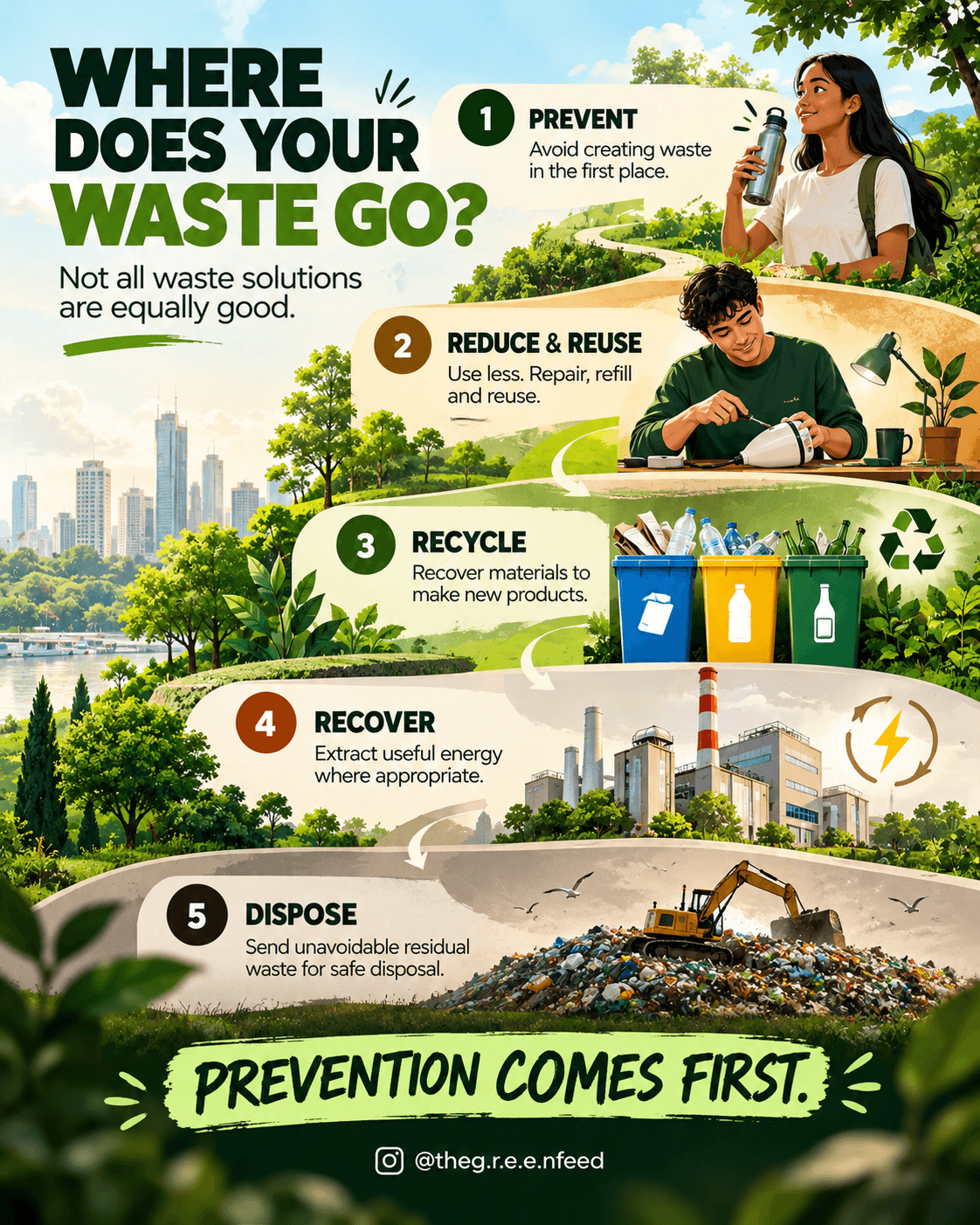
How we buy, use, separate, and dispose of materials affects the cleanliness of our surroundings and the resources we use.
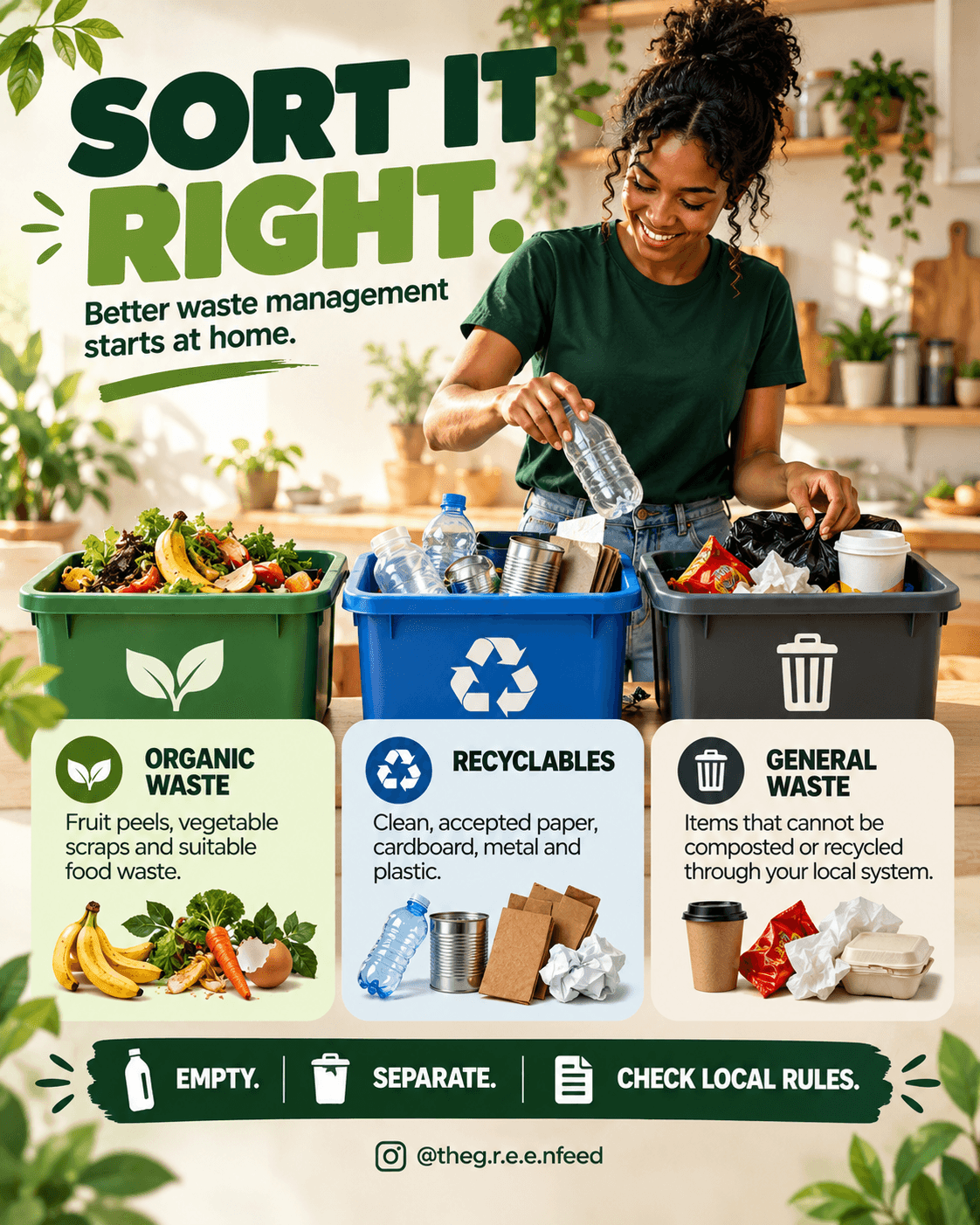
When different kinds of waste are mixed together, useful materials become harder to recover, and waste that is mishandled is more likely to end up polluting land and water. Handling it well is not complicated — it starts with a few everyday decisions that anyone can make.
The best waste is the waste we never create.
A simple way to make better decisions about the things we buy and throw away.
Avoid unnecessary purchases and single-use items. Preventing waste usually takes fewer resources than dealing with it later.
Read the guide02Refill, repair, borrow, donate, and use items again. Reuse keeps useful things in circulation for longer.
Read the guide03Separate accepted materials and follow local collection rules. Recycling works best when materials are clean and sorted correctly.
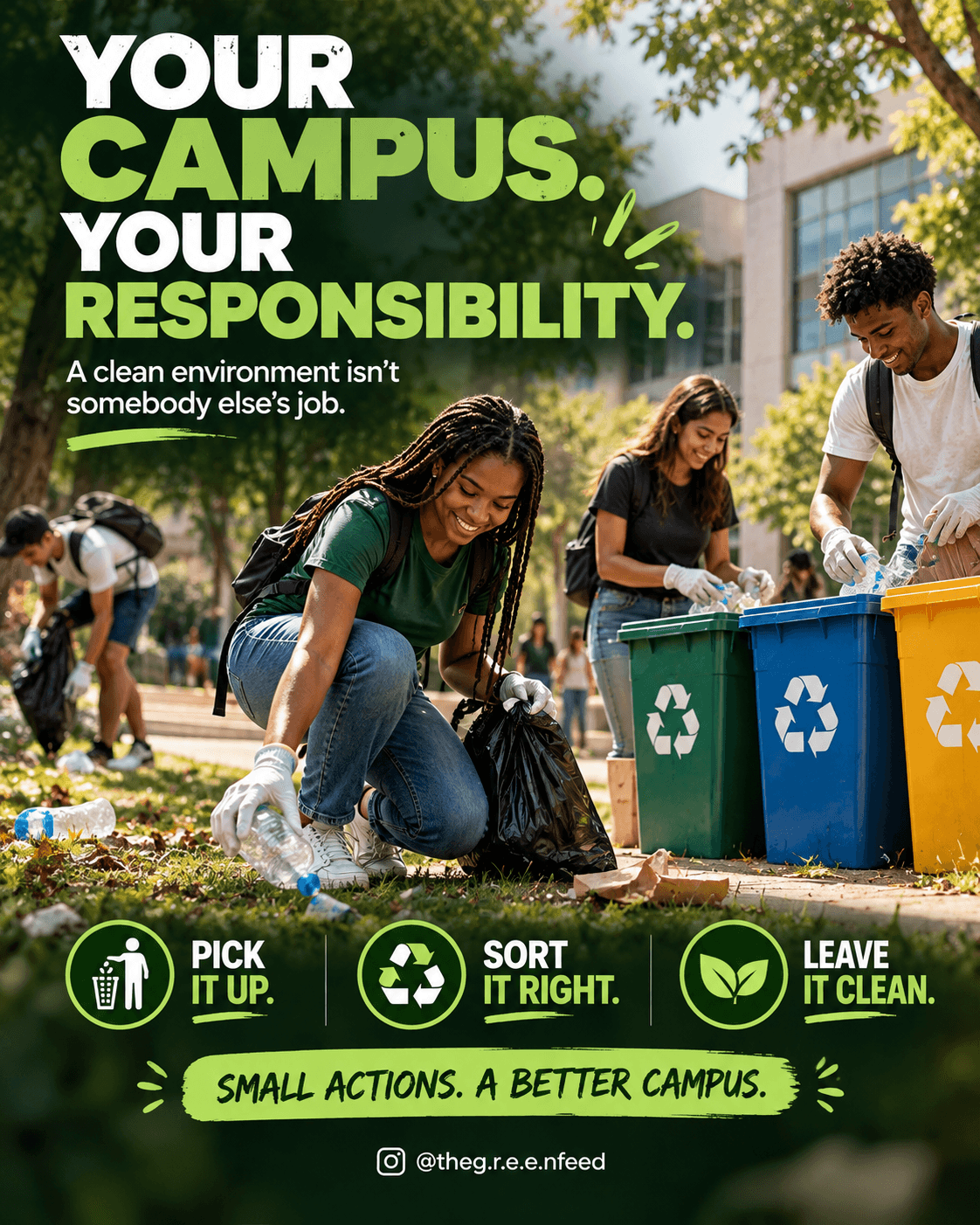
Read the guideSimple, repeatable actions that keep shared spaces cleaner and make waste easier to handle.
Highlights from the GreenFeed campaign. Tap any slide to visit the profile on Instagram.

Slide 1 of 6: GreenFeed campaign image of students in casual clothes gathered on a beach with full waste bags and collected plastic bottles, promoting coastal cleanups.
Short, practical guides you can put to use today.
The 3Rs are a simple way to make better decisions about the things we buy and throw away.
By Hannah Lepathy
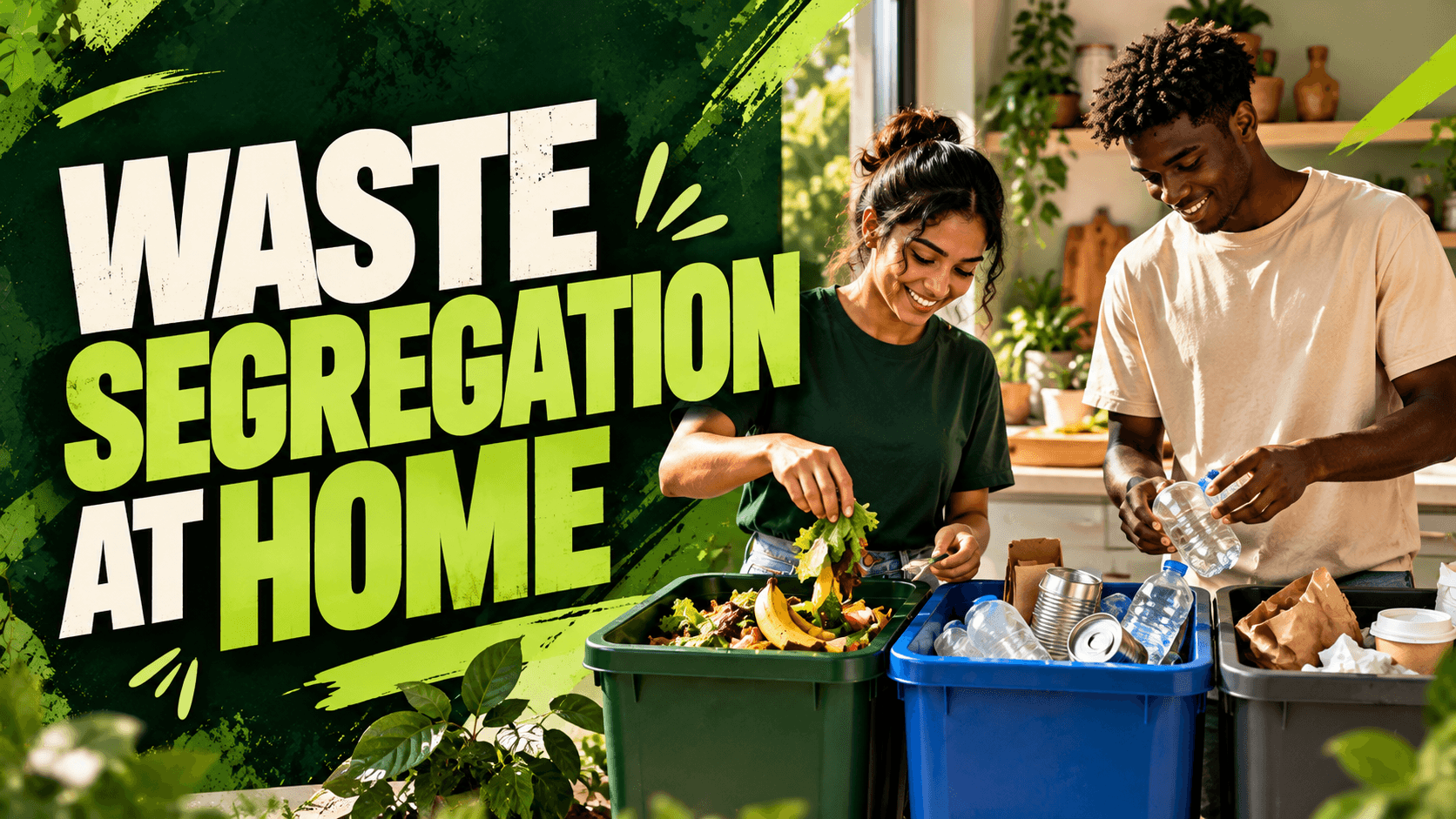
Separating waste at the point where it is created makes responsible collection and processing easier.
By Hannah Lepathy
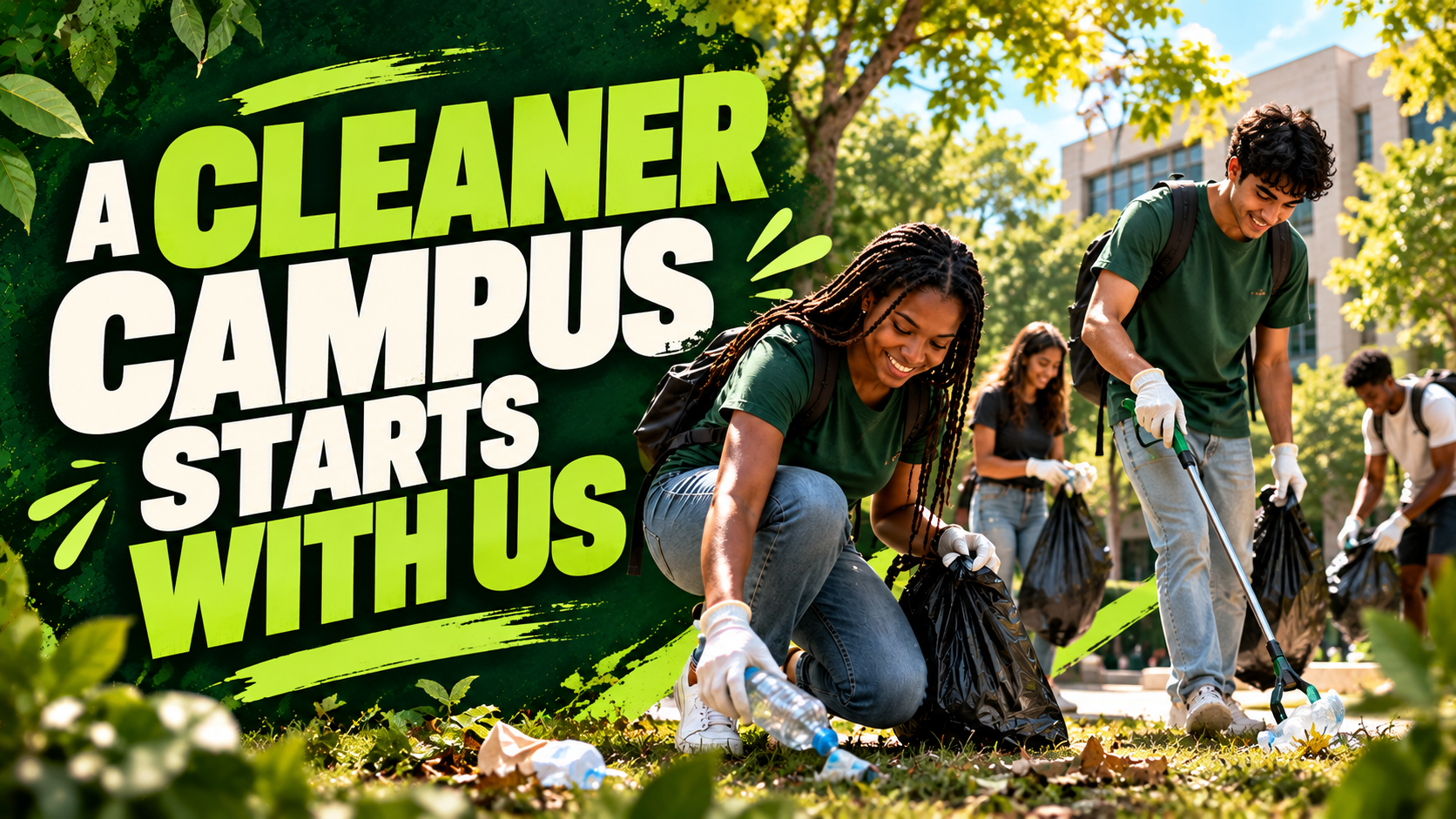
Students can make a visible difference by building small, repeatable habits into campus life.
By Hannah Lepathy
Small actions become habits when we do them together.