Waste Segregation: Sort It Right at Home
By Hannah Lepathy
When different kinds of waste are mixed together, useful materials can become harder to recover. Separating waste at home is a practical habit that can make collection safer and more effective.
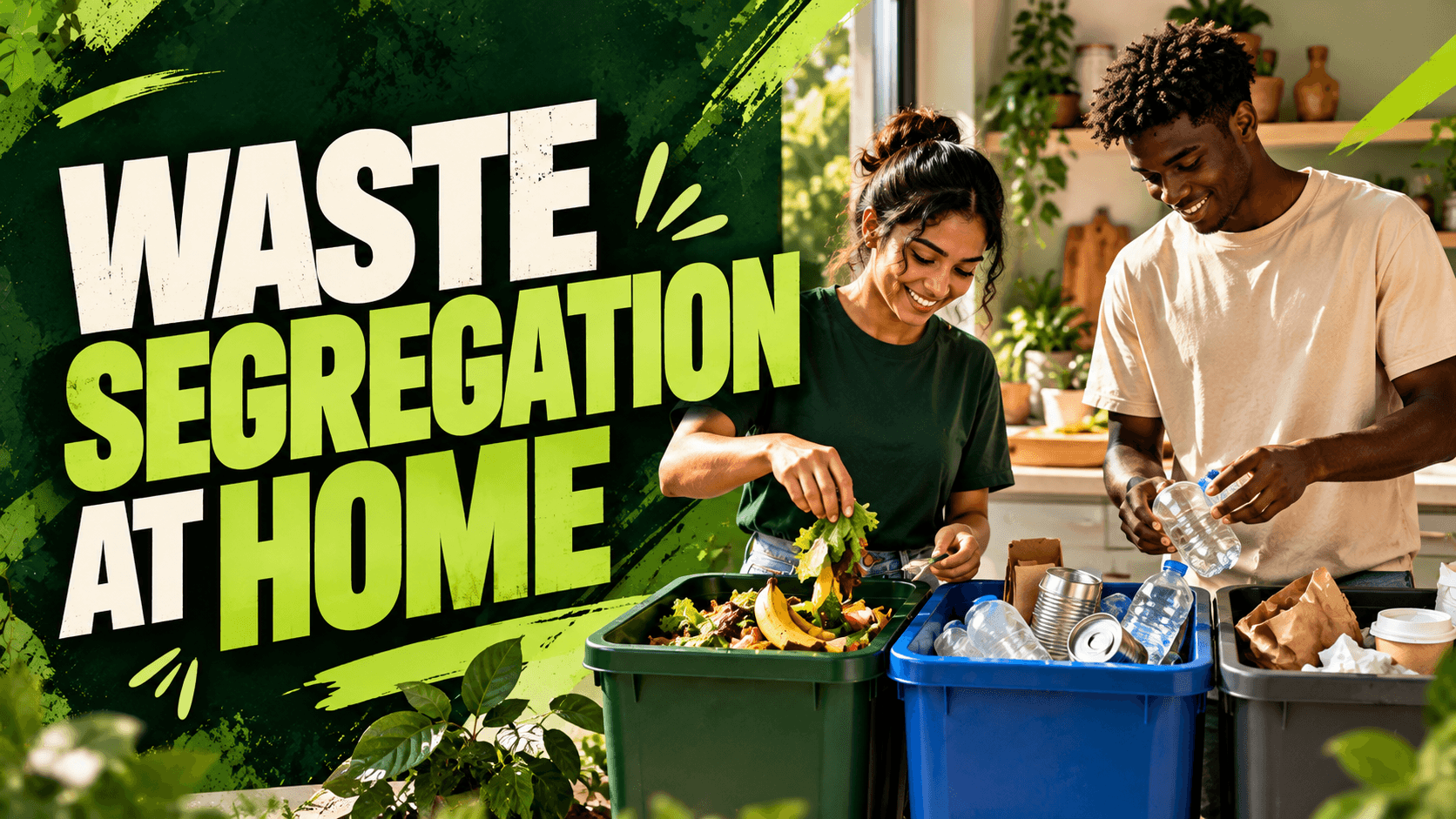
Start with the categories available locally
Many systems separate organic or wet waste, recyclable dry materials, and residual waste. The exact categories, colours, and accepted materials vary by city and service, so follow your local rules rather than relying on a universal colour code.
Keep recyclables suitable for collection
Empty containers and follow local instructions on whether they should be rinsed, dried, flattened, or kept separate. Food-soiled packaging may not be accepted in ordinary recycling.
Handle special waste separately
Batteries, electronics, bulbs, medicines, chemicals, and sharp objects may require dedicated collection or drop-off. Do not put them into ordinary bins unless local guidance specifically permits it.
Make sorting easy
Place clearly labelled containers where waste is usually created. Explain the categories to everyone in the household and empty each container according to the collection schedule.